|
1
|
- L.D. Alford
- Session 5: Egyptian Hieroglyphics
- www.lionelalford.com
- www.ldalford.com
- www.aegyptnovel.com
|
|
2
|
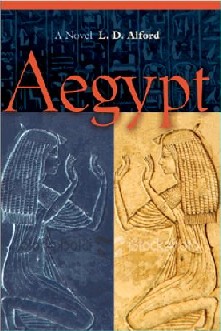
- Aegypt
- Historical fiction novel with a fantasy/suspense driver
- Idea 1992, start 1992, finished 1994
- Published by OakTara in Jan 08
- Follows Lieutenant Paul Bolang
- Time July-Nov 1926
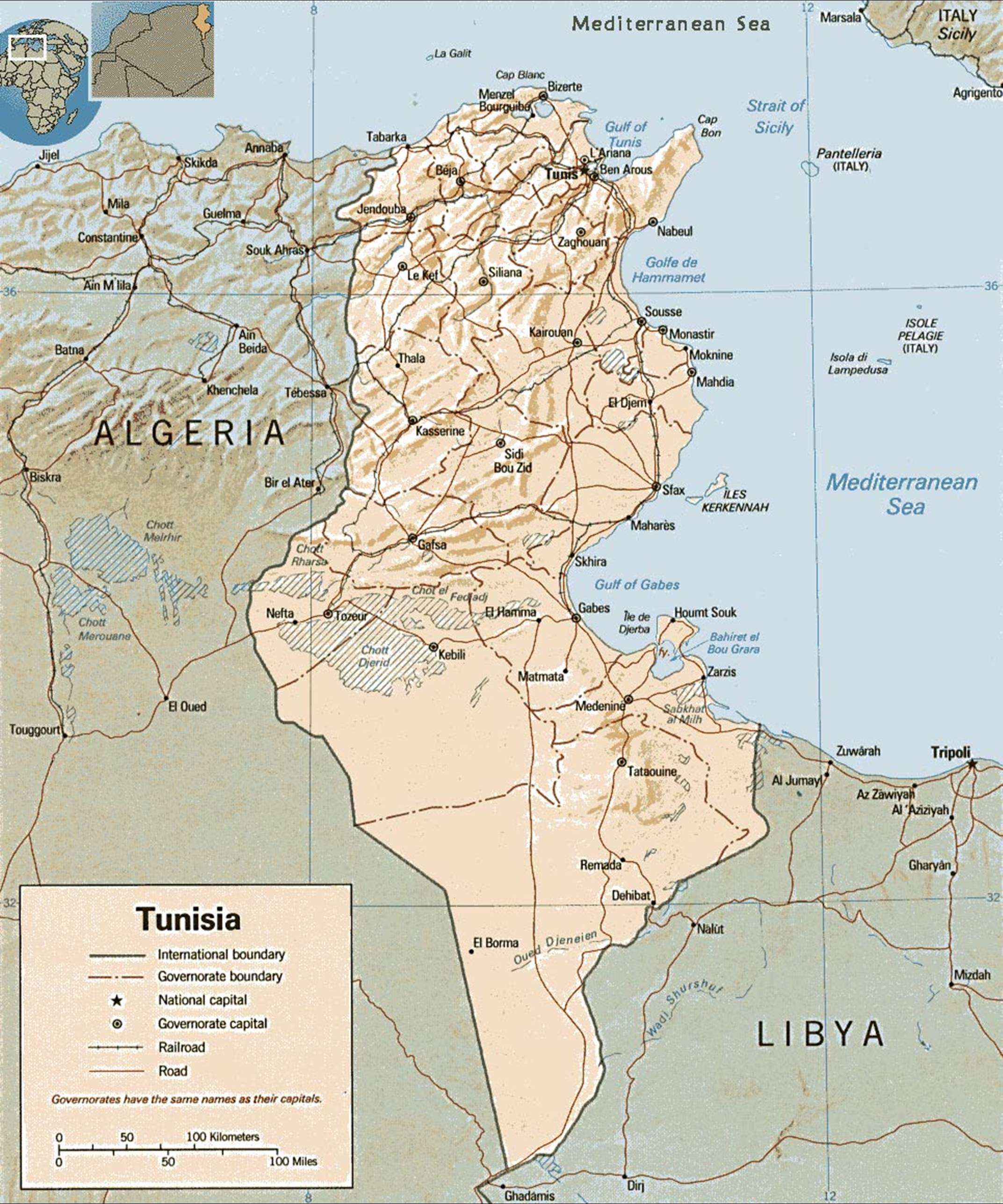
- Location Tunisia (French Colony)
|
|
3
|
- 1. Novel, characters, history, politics
- 2. Tunisia (French colony) and Egypt
(British colony) in time and place
- 3. Paganism and the Egyptian pantheon
- 4. Egyptian life
- 5. Egyptian hieroglyphics
- 6. Egyptian tombs and constructions
- 7. Legion Etrangere, French Foreign Legion
- 8. Conclusion
|
|
4
|
|
|
5
|
- The sun was still bright enough to illuminate his office when Paul
returned to it. He threw open the door and, in spite of the heat that
welled out of the stifling room, closed it quickly. As the door shut,
his eyes locked on the rubbing of the basalt plug. In the halflight, the
markings taken from the stone appeared to leap out of the paper toward
him.
- Paul stood amazed, sweat trickling into his eyes. The meaning of the
diagram and the entire script came clearly to him. He had been
interpreting the meaning of the engravings incorrectly. They were not
hieroglyphics in the true sense; they were pictograms. They described
their meaning by illustration.
|
|
6
|
- Paul laughed. For thousands of years, men had tried to read the Egyptian
writing as pictures. They met with failure, because the hieroglyphics
were not picture-writing. They were words like the writing of the
Orientals. It took the Rosetta Stone and many years of study to break
the code. Today, here, Paul had found hieroglyphics that were true
pictograms.
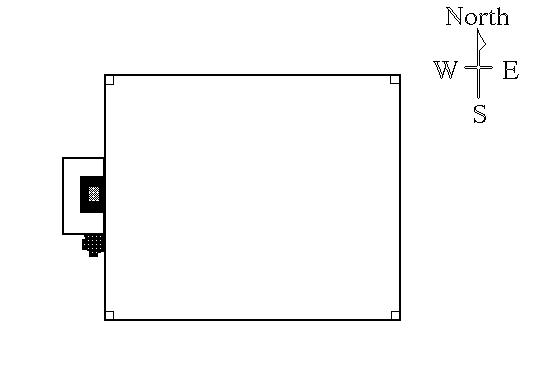
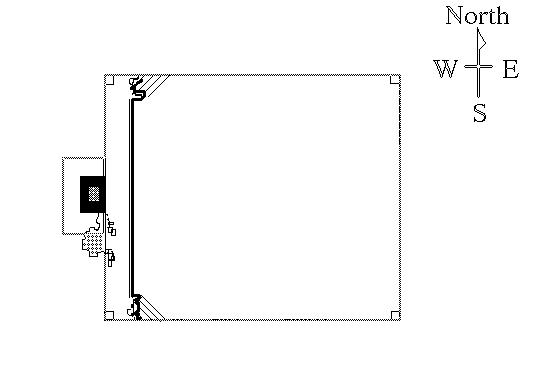
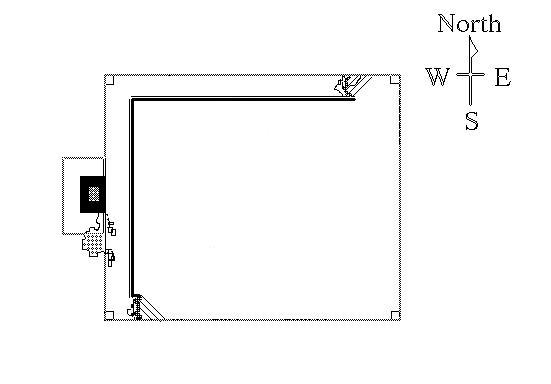
- He stood in front of the rubbing, now able to understand, reading it
intently. The pictures were obvious in their meaning. The drawing was a
chart of the entire underground complex. The images around the periphery
of the stone matched those on the inner portion of the underground
corridors. He made out the plug in representation at the bottom of the
rubbing—a miniature carving inside a miniature diagram. The line of
deities above the plug matched the panoply below in the initial
corridor. These, he noticed for the first time, were depicted entirely
in two dimensions. The representations were flat, mimicking the fact
they were only the illustrations of the first corridor.
|
|
7
|
- He laughed again. The solution of the stone was so simple—so much
simpler than he had made it. The hieroglyphic message he found in the
stone last night was still evident to him, but it was the secondary
message. It was a message to literate Egyptians, to the priests and
royalty. The reading of the obvious hieroglyphics on the stone was for
the simple and uneducated. It was an architectural chart. In the tomb
below, under the diagram of the temple, Paul could decipher the line of
picture glyphs from memory: the deities of Egypt are great, but the
light and darkness live forever, you will find them here!
- That was the answer and the meaning of this place. That was what the
evidence pointed to. The tomb was not intended to be hidden—it was meant
to be found and opened. The deities inside were meant to be released.
That was the purpose in the structure, and that was its only purpose.
Nothing was supposed to be hidden. Nothing was supposed to be covered.
|
|
8
|
|
|
9
|
|
|
10
|
- English based on 26 characters--letters
- Letters combined into words… then into sentences...that tell a story
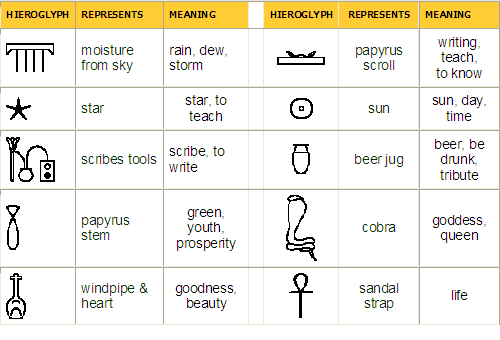
- Ancient Egyptian writing uses more than 5,000 hieroglyphic characters
- Each hieroglyph represents common object in ancient Egypt
- Hieroglyphs could represent the sound of object or an idea associated
with object
|
|
11
|
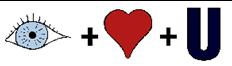
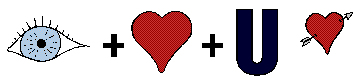
- Modern type of hieroglyphic writing is a rebus
- A rebus is a picture puzzle that can be "sounded out" by
reading the sounds symbolized by the pictures
- When sounds are read aloud together, statements often becomes obvious.
- Try solving this rebus:
|
|
12
|
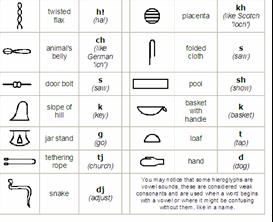
- Alphabet characters are basis for hieroglyphic writings
- Basic hieroglyph characters referred to as the ALPHABET
- ‘Spell out' names or anything that can't be represented by other
characters
- Alphabet characters read as sound of the object they represent
|
|
13
|
- Although vowels used in spoken language, usually not written unless
word began with a vowel or where it might be confusing if left out…
like with names (Hebrew similar)
- EXAMPLE
- In English, words often abbreviated by leaving out vowels
- crt = court
- st = street
- When these abbreviations are read aloud, they are spoken using vowels
|
|
14
|
|
|
15
|
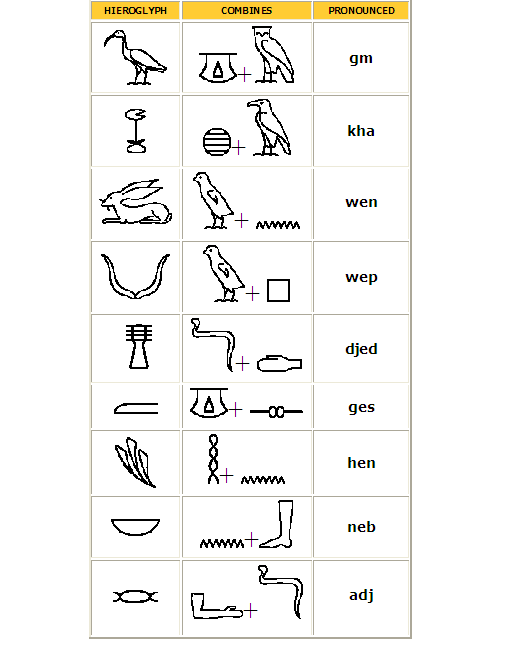
- Biliterals are hieroglyphs which were substituted in place of pairs of
alphabet characters. The sound of the biliteral hieroglyph is the same
as the sound of the the alphabet characters it replaces. Biliterals
'streamline' writings by eliminating large numbers of simpler characters
|
|
16
|
|
|
17
|
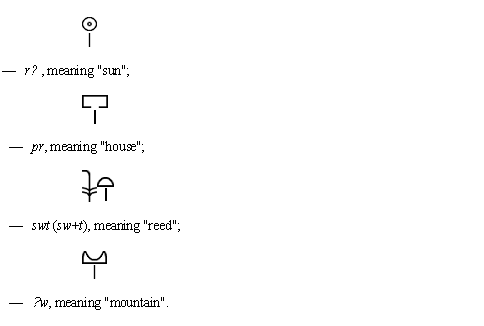
- Logograms define object of which it is an image
- Most frequently used common nouns
- Always accompanied by a mute vertical stroke indicating their status as
a logogram
- In theory, all hieroglyphs would have ability to be used as logograms
- Can be accompanied by phonetic complements
|
|
18
|
|
|
19
|
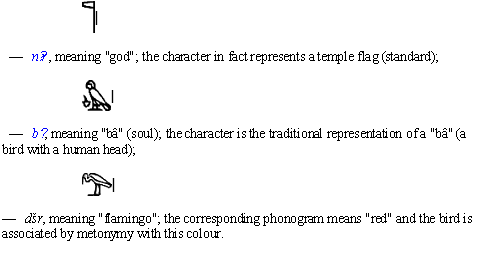
- In some cases, the semantic connection is indirect (metonymic or metaphoric):
|
|
20
|
- Determinatives don't represent sounds. The meanings they imply help
eliminate confusion by putting the writings in proper context. These
special characters clarify a statement by carrying a distinct meaning.
The appearance of a determinative put the writing in context based on
its meaning.
|
|
21
|
- Remember the puzzle?
- It has several possible meanings:
- Eye Heart U
- I Heart Ewe
- I Love You
- We could eliminate confusion by adding a determinative.
|
|
22
|
- This symbol is usually seen
around Valentine's Day. It is associated with Cupid, the Roman god of
love. By shooting someone with his arrow, Cupid caused them to fall in
love. Use of this symbol implies that the statement relates to matters
of love and emotion, and effectively makes "I Love You" the
only choice.
|
|
23
|
|
|
24
|
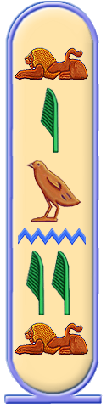
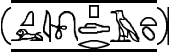
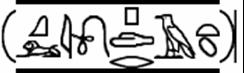
- Rarely, names of gods are placed within a cartouche; two last names of
sitting king always placed within a cartouche:
- jmn-rˁ, "Amon-Rê " ;
- qrwjwȝpdrȝ.t, "Cleopatra."
|
|
25
|
- A filling stroke is a character indicating the end of a quadrant which
would otherwise be incomplete
|
|
26
|
- Some signs are the contraction of several others. These signs have,
however, a function and existence of their own: for example, a forearm
where the hand holds a scepter is used as a determinative for words
meaning "to direct, to drive" and their derivatives
|
|
27
|
- The doubling of a sign indicates its dual; the tripling of a sign
indicates its plural
|
|
28
|
- Vertical stroke, indicating the sign is an ideogram;
- Two strokes of the "dual“
- Three strokes of the "plural";
- The direct notation of flexional endings, for example:
|
|
29
|
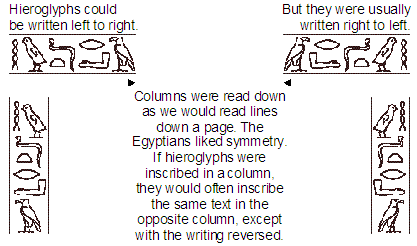
- Hieroglyphic writings have conventions consistency and readiblity
- Example: English always read left to right.
- Hieroglyphic writing written in columns or rows
- Reading direction determined by direction that human and animal figures
faced
- Reading starts from the direction that figures face and continues in
opposite direction
|
|
30
|
|
|
31
|
- In our modern system of numbering, numbers are counted in units of 10. A
zero written to the right of a number indicates the number is increased
ten times.
- 10 = 1 X 10
- 100 = 1 X 10 X 10
- 1,000 = 1 X 10 X 10 X 10 and so
on...
|
|
32
|
- 10 characters (0-9) used in modern numbering system to represent all
possible numbers
- Position of character within larger number is important to defining its
value
- Each character to the right implies a zero which increases the value of
that number by ten times.
- 751 equals 700 + 50 + 1
- 751 does not equal 7 + 5 + 1
|
|
33
|
- Egyptian numbering system also based on units of 10, but instead of
relying on the position of numbers to define their value, the Egyptians
used different images to represent different units of 10.
|
|
34
|
- To write a number, the hieroglyph representing each unit of ten would
simply be drawn as many times as was necessary.
|
|
35
|
- Modern fractions contain both a numerator and a denominator. The
denominator represents the total number of portions, and the numerator
represents the number of those portions that we are measuring.
|
|
36
|
- Hieroglyphic fractions work a little differently than modern fractions
- With hieroglyphic fractions the numerator is always assumed to be 1,
only the denominator varies.
- Fractions use the same hieroglyph characters as numbers.
- Placing the symbol
above or alongside number hieroglyphs shows the number is a
fraction
|
|
37
|
- To represent fractions with a numerator other than one, the Egyptians
wrote several fractions which were added together to get the true
fraction value
|
|
38
|
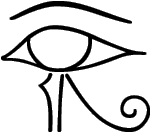
- Eye of Horus Fractions
- Horus
- Falcon-headed god
- Important god in Egyptian legend
- Represents Pharaoh’s divinity
- Symbol representing his eye, Eye of Horus, powerful symbol used to protect from
evil
- Pronounced "udjat" by the Egyptians, Eye of Horus represents
a human eye with cheek markings of a falcon
|
|
39
|
- Separated sections represent fraction values
- Origin of 'Rx' symbol used by pharmacies and in medicine
- The Eye of Horus fraction system was based on the Eye of Horus symbol.
This system was used to record prescriptions, land, and grain.
|
|
40
|
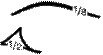
- Fractions created by combining sections of symbol
- Each section has a different value
- Complete Eye of Horus with all parts in place equal 1
- Complete really 63/64, rounded to 1
- System based on halves
- Half of 1 equals ½
- Half of 1/2 equals ¼, to value of 1/64
|
|
41
|
- EXAMPLE
- to represent the fraction 5/8 we would need to combine 1/2 (4/8) and 1/8
|
|
42
|
|
|
43
|
|
|
44
|
|
|
45
|
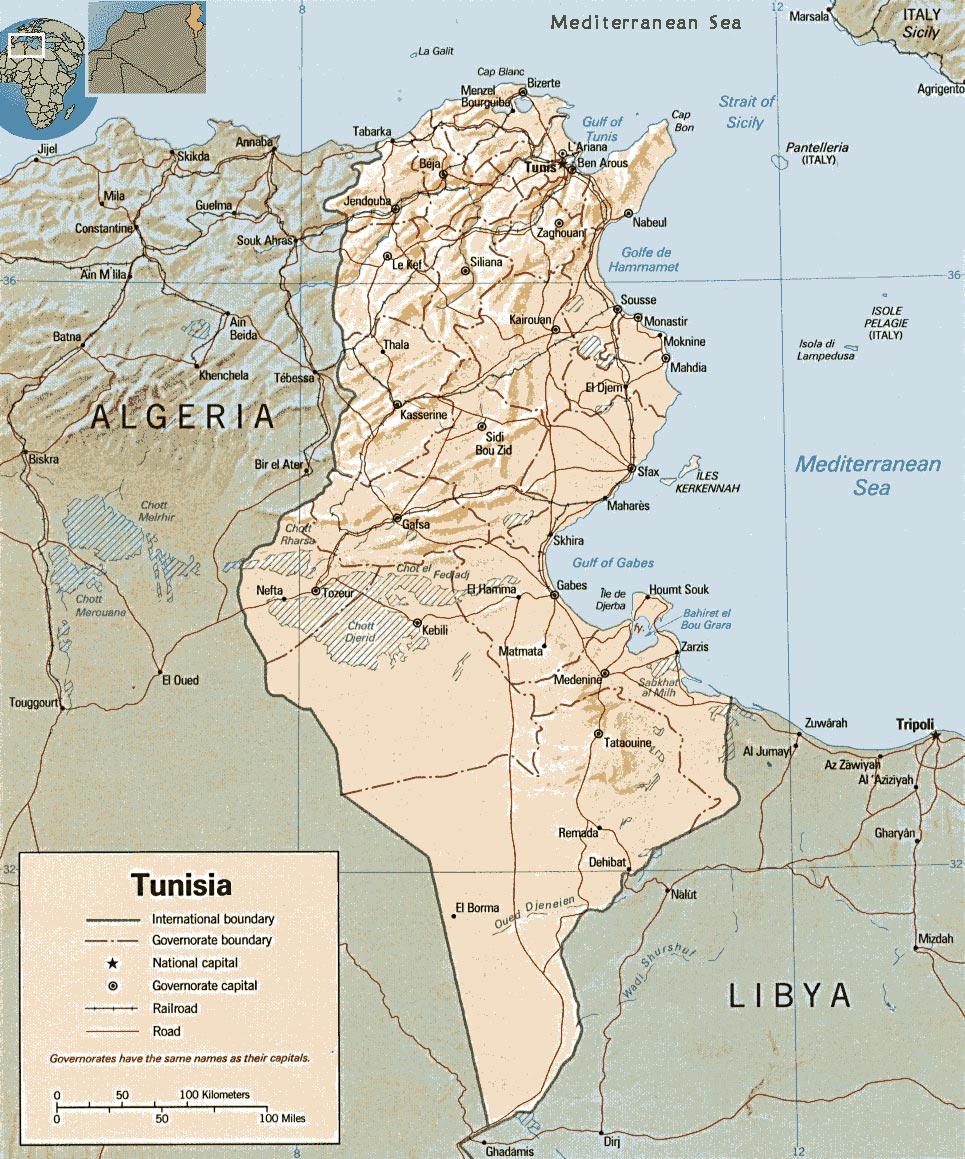
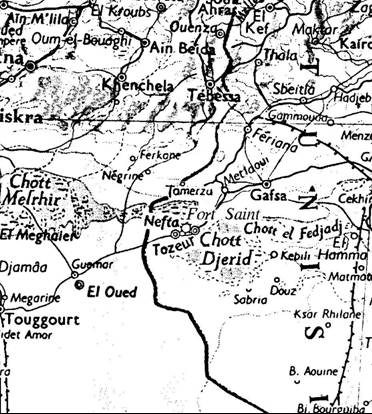
- Fort Saint
- Chott Djerid
- Chott Melrhir
- Tozeur
- Nefta
- Tomerzu
- Sabria
- Douz
|
|
46
|
|
|
47
|
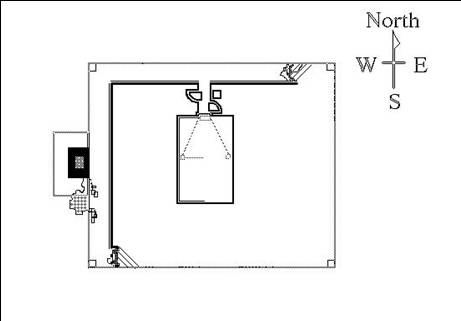
- Beginning of the dig
- Breakthrough
- Discovery of the corridors
- The basalt plug
- The seal on the basalt plug
- The northern corridor
- The rubbing
|
|
48
|
|
|
49
|
- The rubbing
- The discovery of the northern entrance
- The discovery of the Antechamber
|
|
50
|
|
|
51
|
|
|
52
|
- Audrey continued in a placating voice, “Doctor, continue your
investigation. The situation is not just interesting but unique. Perhaps
some new medical miracle awaits your discovery.” He turned impatiently
away from the Doctor toward Paul. “What I wanted to tell you,
Lieutenant, is I believe we have discovered another tomb. I believe we
may be in just the antechamber of the complex.”
- Paul nodded slowly.
- “I was reading again Howard Carter’s account of the discovery of the
tomb of Tutankhamun, and I believe we have discovered a parallel. The
professor was stymied for a while by a blank wall. It was this same
blank wall that kept the initial looters, in antiquity, away from
Tutankhamun’s tomb. Monsieur Parrain and I think—” he paused to light a
cigar—“the same deceit was used in this tomb. We did some soundings
today; the eastern wall does have a slightly hollow sound. When the
weather clears, we’ll continue our search around that wall. Just think:
a sealed royal tomb. It could be a find greater than Tutankhamun.”
|
|
53
|
- “How do you propose to open the tomb?”
- “We haven’t come that far yet, but I think we’ll have to dismantle part
of the wall. I’d like to wait until Mr. Williams has the entire passage
cleared before we take any steps that might unnecessarily deface the
chamber. After all, the actual tombs might be laid out in a more
conventional Egyptian style.”
- “There is nothing to recommend the conventionality of the excavations,”
stated Parrain.
- “Have you had any luck in deciphering the hieroglyphics?” asked Paul.
- The men stared at him.
- “No,” answered Audrey. His brow furrowed in scorn. “I haven’t taken the
time to even look at them, old man.”
- “I believe I may have found the key to them, Mr. Audrey,” Paul said
carefully.
|
|
54
|
- When Audrey nodded, Paul continued, “I don’t believe they are
hieroglyphic word forms. They appear to be pictograms. They illustrate
exactly their meaning.”
- “Not impossible,” said Audrey with excitement. “They could be an ancient
form—an undiscovered version of the writing.”
- “Or their message could be intended for more than Egyptian eyes,” Paul
said.
- Audrey looked strangely at him, then said, “I would like to see your
notes. I’ll compare them to mine and see if your theory fits.”
- “Very well,” said Paul. “Tomorrow, when the storm’s abated. If you’ll
come to my office, I’ll let you borrow the rubbing and my notes.”
- “If the hieroglyphics turn out to be as you believe, Lieutenant Bolang,
we may have more than an unusual tomb. You may have discovered a modern
Rosetta stone.”
|
|
55
|
- Overview of the Novel
- Not finished…
- Give you a chance to catch up
- Met the major characters
|
|
56
|
- Egyptian tombs and constructions
|

 Notes
Notes