|
1
|
- L.D. Alford
- Session 1: The Novel, Characters, History, and Politics
|
|
2
|
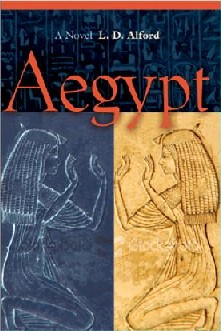
- What is Aegypt?
- Ancient spelling
- Actually Ægypt - ash
- Word didn’t change the language did
- Sounds ancient and exciting/mysterious
- In the Tomb of Darkness and Light
|
|
3
|
- The Second Mission
- Centurion
- Aegypt
- The End of Honor
- The Fox’s Honor
- A Season of Honor
- The Goddess of Light – on contract
- The Goddess of Darkness
|
|
4
|
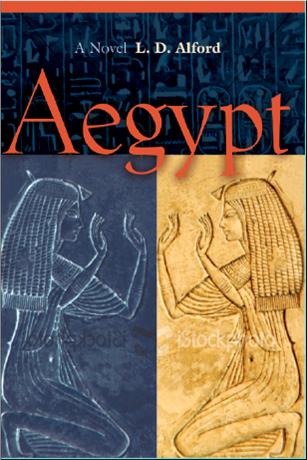
- Aegypt
- Historical fiction novel with a fantasy/suspense driver
- Idea 1992, start 1992, finished 1994
- Published by Capstone (now OakTara) in Jan 08
- Follows Lieutenant Paul Bolang
- Time July-Nov 1926
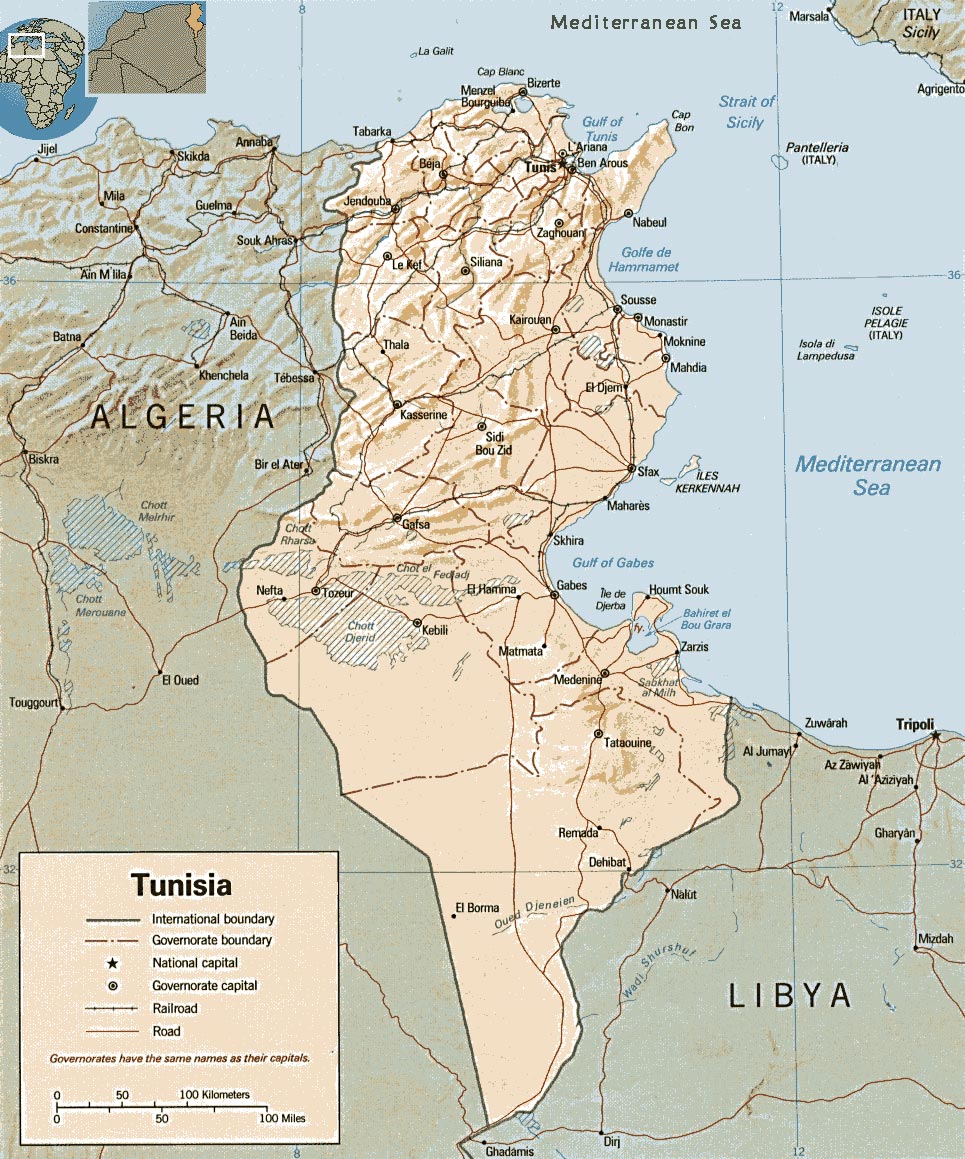
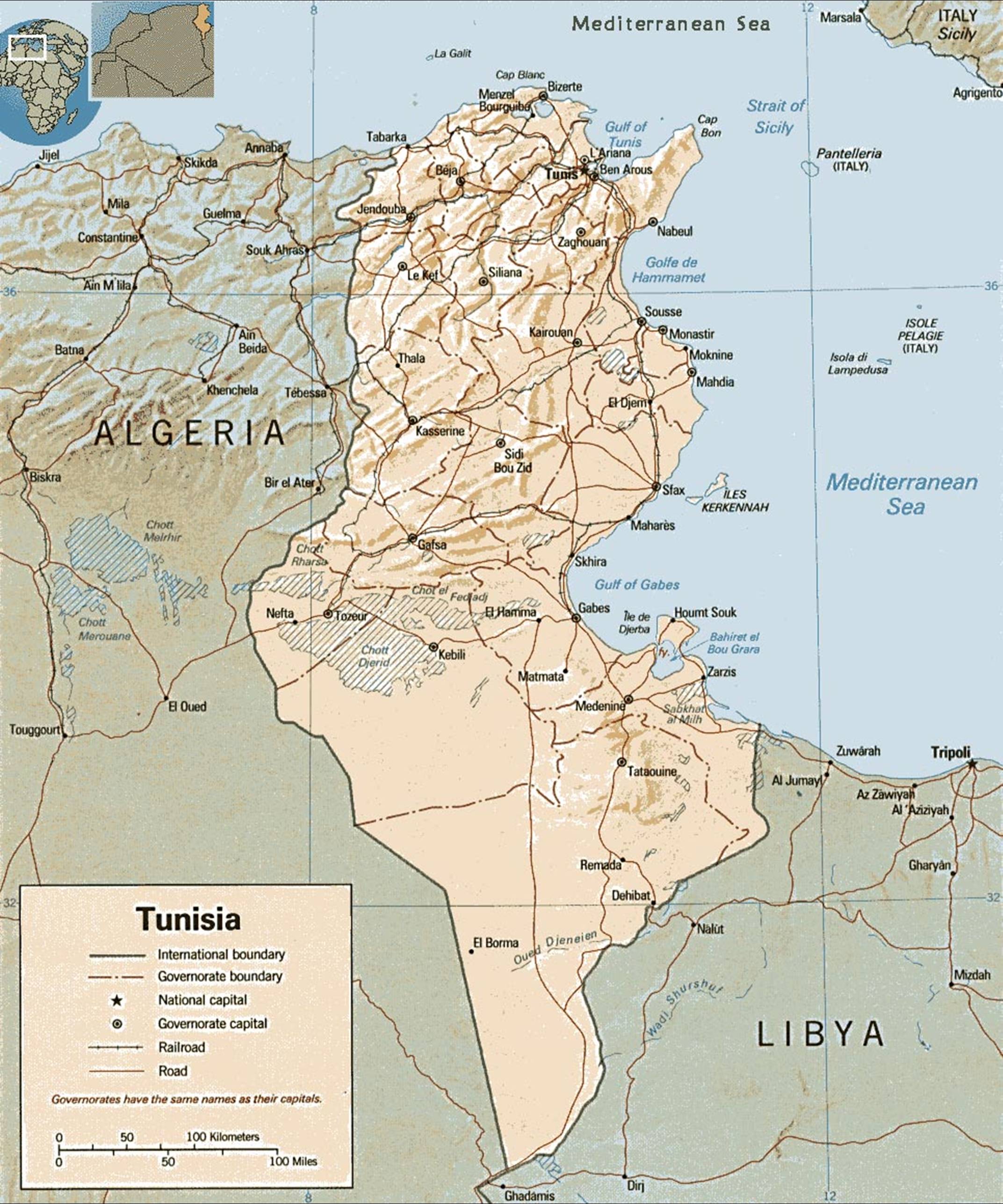
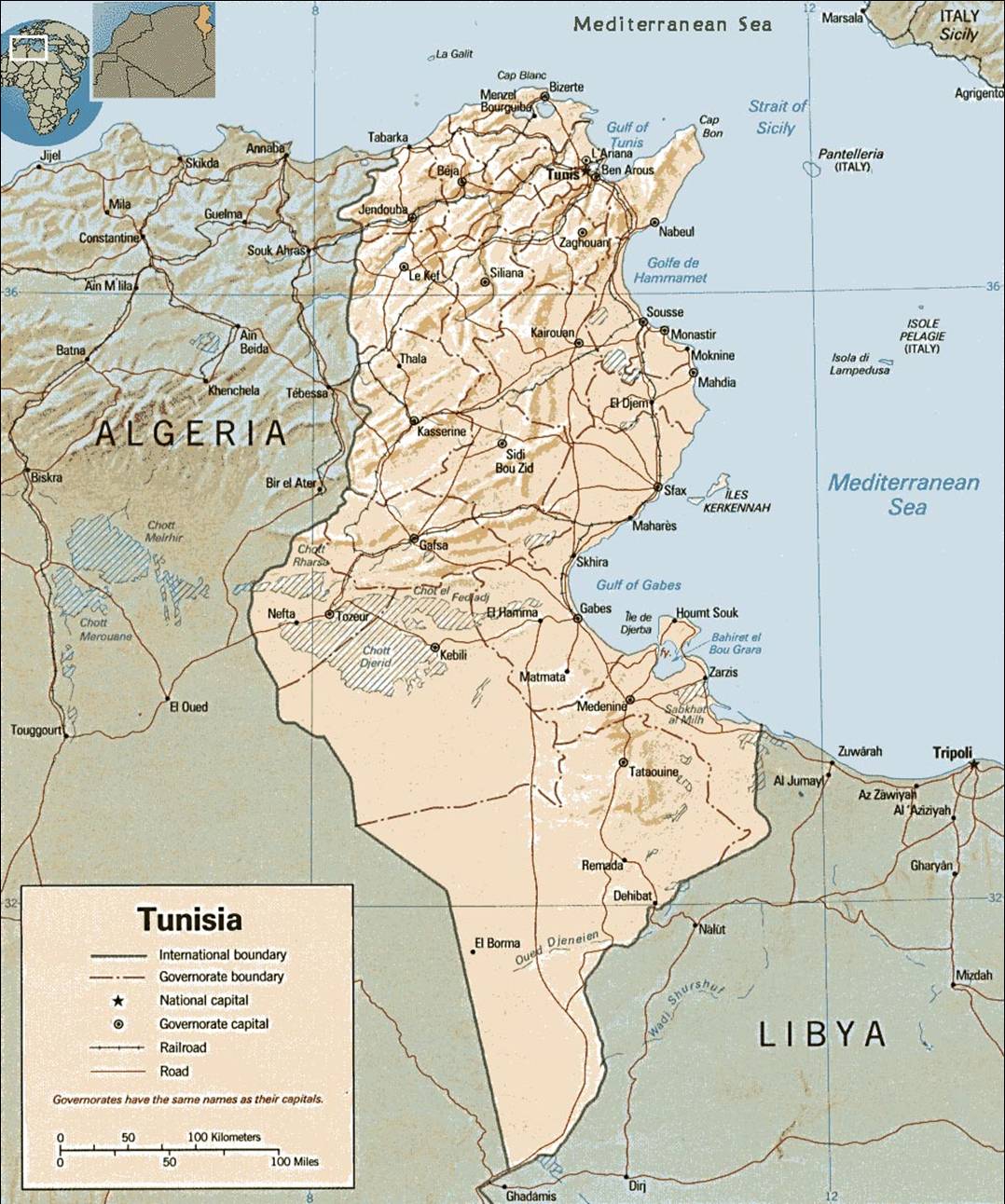
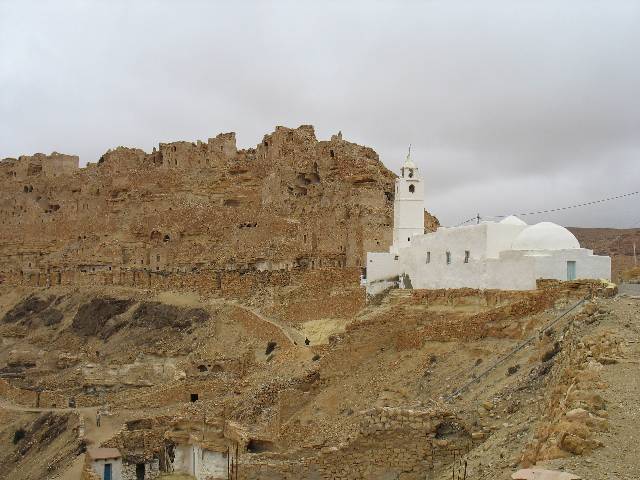
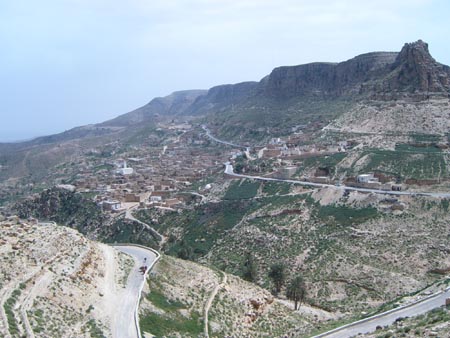
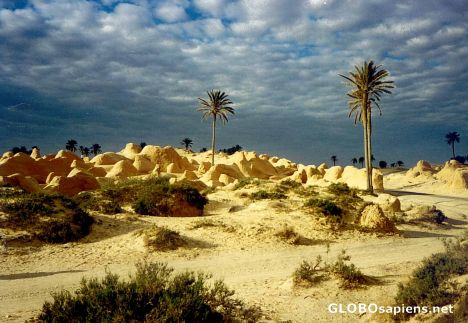
- Location Tunisia (French Colony)
- Novel, characters, history, politics
|
|
5
|
- 1. Novel, characters, history, politics
- 2. Paganism and the Egyptian pantheon
- 3. Egyptian life
- 4. Egyptian hieroglyphics
- 5. Egyptian tombs and constructions
- 6. Legion Etrangere, French Foreign Legion
|
|
6
|
- Novel is historical—2+ years of research
- Mainly primary sources in history
- Language, religion, and cultural details
- Suspense driven by historical data
- Language key aspect of novel
- French, English, Ancient Egyptian
- Ancient Egyptian primary suspense driver
|
|
7
|
|
|
8
|
|
|
9
|
|
|
10
|
|
|
11
|
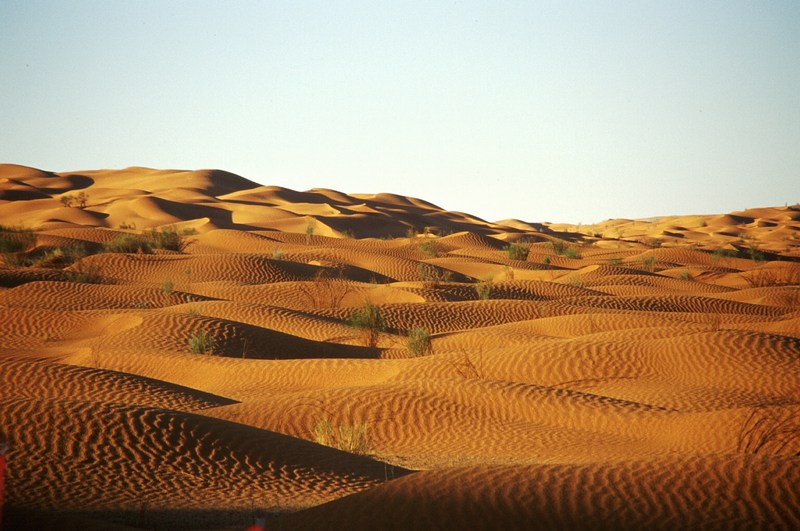
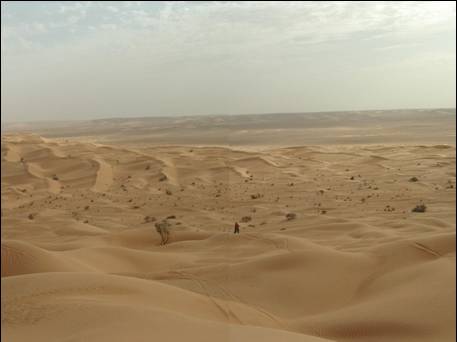
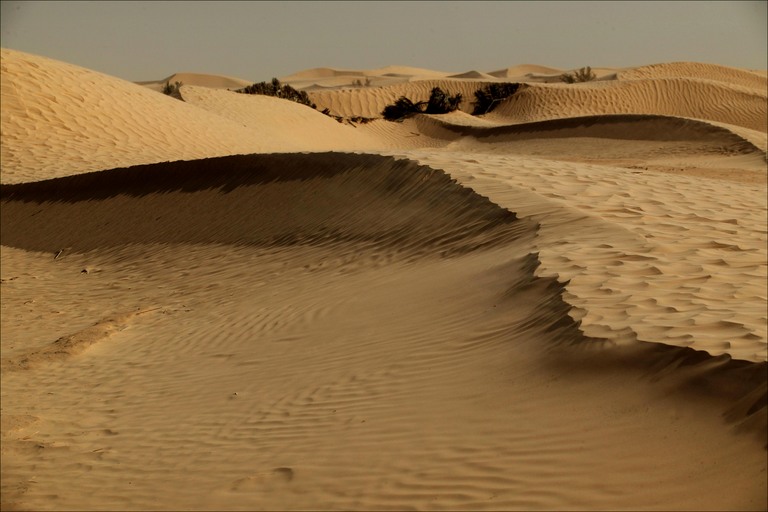
- Storm clouds grew across the darkening sky. They squared off like
titans, rising tremendously over the burning sands. The air pressure
dropped suddenly, caressing yawning ears, and in the storm’s wake, the
nearly constant winds died. Silence charged the air like static
electricity. Not a sound broke the stillness until, with a harsh crackle
of blue fire, the clouds burst open and poured a solid torrent over the
acrid waste.
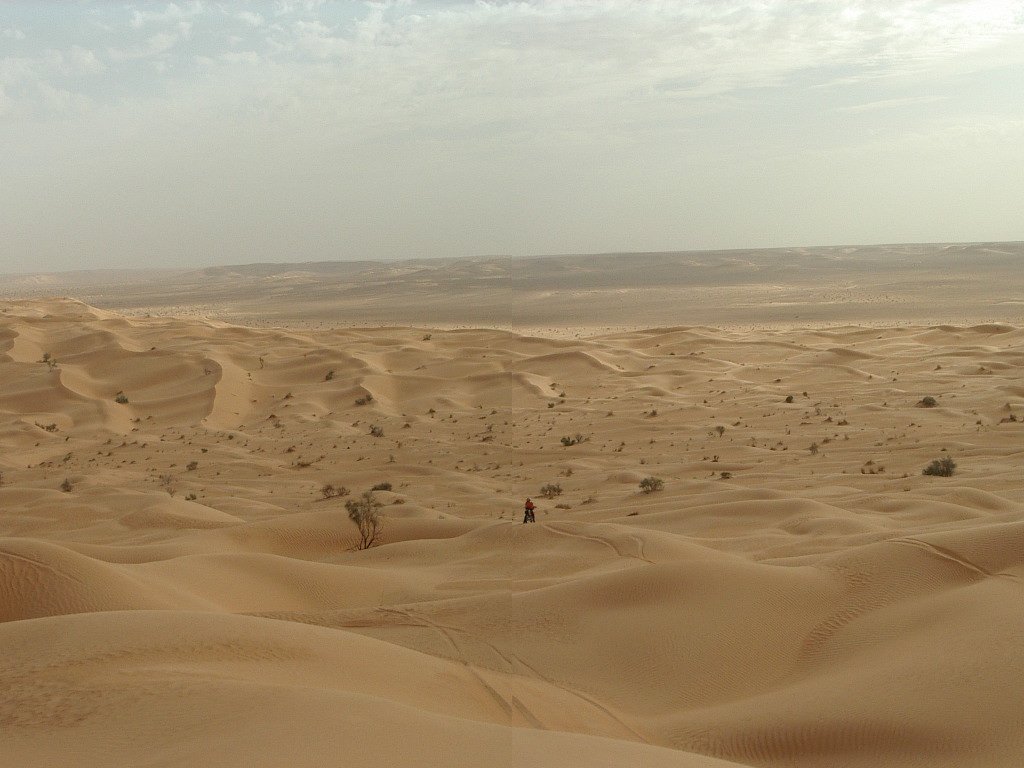
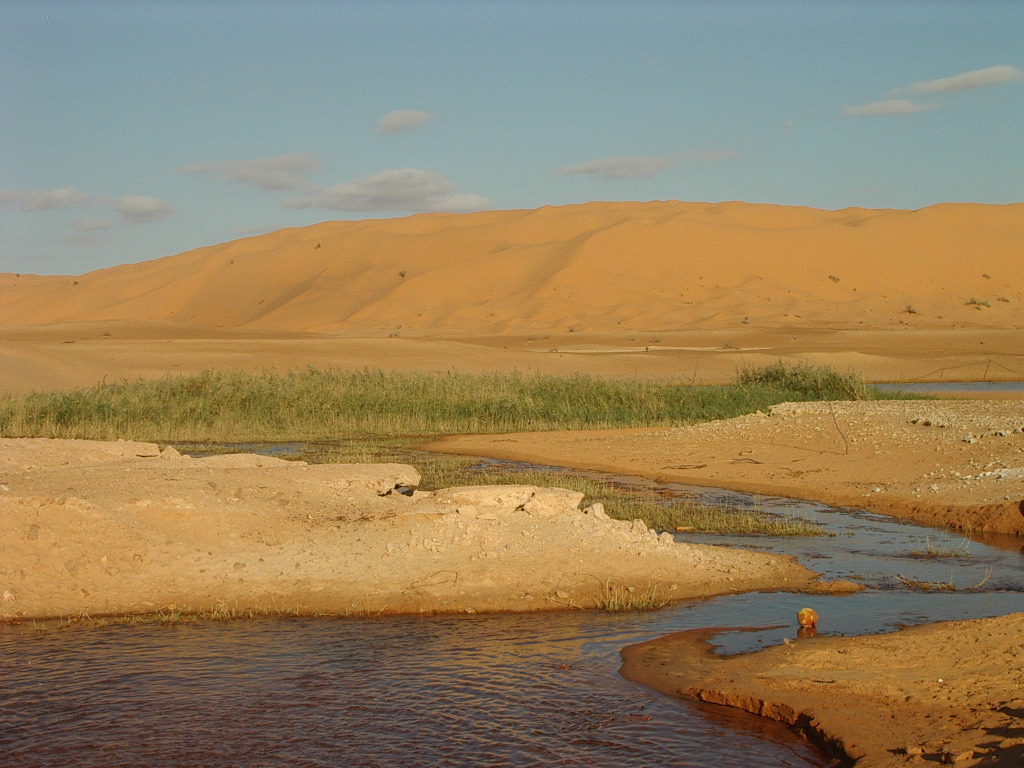
- At first, the sands soaked up the downpour like a sponge. Then, glutted,
they cast off the water in ever-increasing amounts. The initial runlets
took a while to form, but soon, under the blasting deluge of the heavy
rain, they assumed the character of reverse deltas, inverse Niles that
funneled the water into dry streambeds and deeper canyons. The dirty,
heavy, grit-laden liquid fought its way through the bone-dry sand until
it was finally and completely absorbed.
|
|
12
|
- Lieutenant Paul Bolang laughed mirthlessly; the surging water would
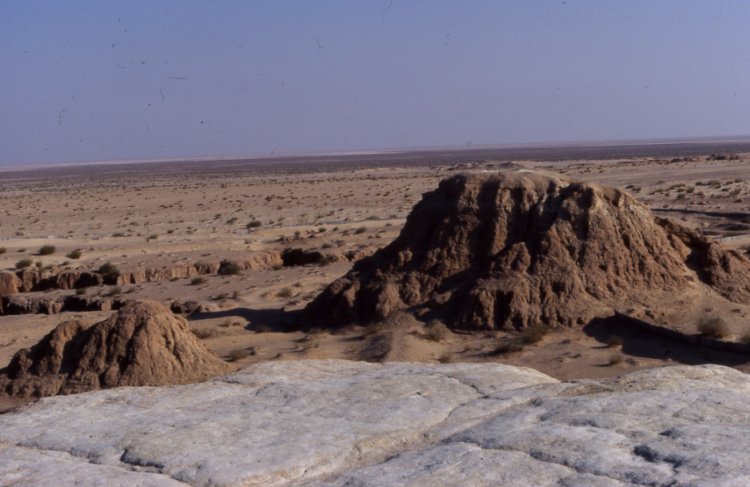
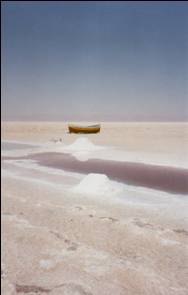
never make its way back to even the ancient lake Chott el Fedjadj. Set
in an endless inequitable cycle, the liquid rose daily, sucked out of
this hellish waste to be returned only a few times a year.
- He cast the butt of his cigarette to the sand and spat a few grains of
loose tobacco after it. Already the sun was flooding him and the sodden
plain with blazing splatters of heat.
- Paul cursed under his breath; not a drop of rain had touched him. He
slung his rifle more evenly over his shoulder and turned back toward the
line of march. The last traces of mist streamed from the clouds, and he
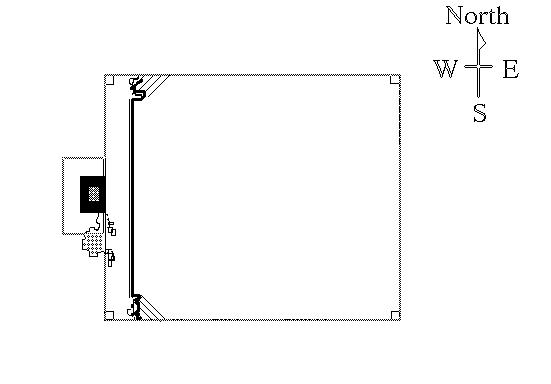
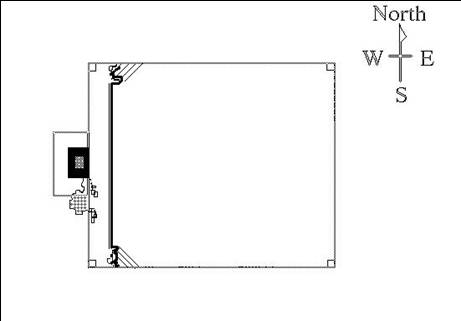
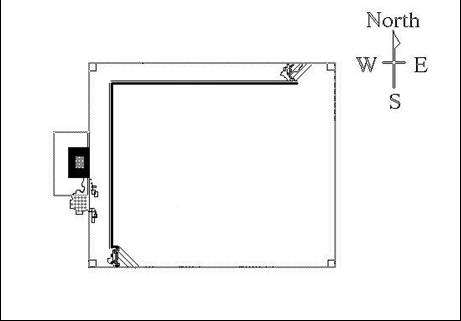
could taste the water with his lungs—refreshing. The heat and the
dryness would be back soon enough to overwhelm his senses.
- Paul signaled his men to remount. His horse, l’Orage, was skittish and
danced back a step as Paul hauled his aching frame into the saddle.
|
|
13
|
|
|
14
|
- Her muscles rippled like silk under her black coat, and Paul touched her
gently to soothe her. l’Orage had been his steed for nearly three years,
almost half the time he had been in Tunisia.
- He had bought her from a Berber’s market on the coast. She was the most
beautiful horse he had ever seen. Feral and full of fire, she was
uncontrollable in the hands of her merchant owners and stood blindfolded
and hobbled in the market horse pen. A demon in the guise of a horse,
she was black as charcoal without a trace of lighter markings. Paul knew
she was stolen the minute his eyes lit upon her.
|
|
15
|
- He paid in cash—francs, and few of those, because of her temperament.
When he entered the pen to claim her, Berbers, Arabs, and Tunisians
lined the enclosure to watch the black fiend trample the foolish
Lieutenant. Paul walked quietly up to her, and when the laughing
merchant stripped off the blindfold and hobbles, Paul spoke a single
word. l’Orage calmed immediately and let him stroke her face.
- Contemptuously, he led her on a light field-lead out of the
marketsquare. The marketplace had turned into a frenzy of babbling men,
women, and children. The native peoples sidled out of Paul’s way as if
he were himself a demon from the pit. At the edge of the market, to the
amazement of the spectators, Paul leapt upon l’Orage bareback and rode
off at a gallop. He laughed all the way back to the garrison.
|
|
16
|
- l’Orage was a horse trained for war. She was an Arabian, bred and
drilled to the battlefield. She was trained to kill and to the tactics
of combat. She was a European’s horse. Paul could tell by her carriage
and by the saddle scars on her flanks. Only one type of European warrior
had found his way into the wilds of Tunisia: l’Orage had to be a
Frenchman’s horse. Paul guessed that, but his confirmation came when he
first stood before her, wondering himself if she would strike him before
he could speak. His single word was French, and with that single word,
he knew she answered to only one tongue—French. Not to the Tunisian or
Berber or Arabic her previous masters unsuccessfully tried,
- only to French. In combat after combat, she proved herself to be, by
far, one of the finest horses in the Legion stables.
|
|
17
|
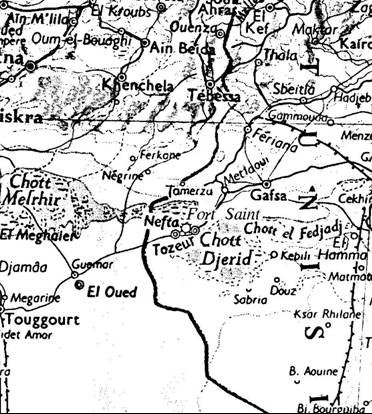
- Fort Saint
- Chott Djerid
- Chott Melrhir
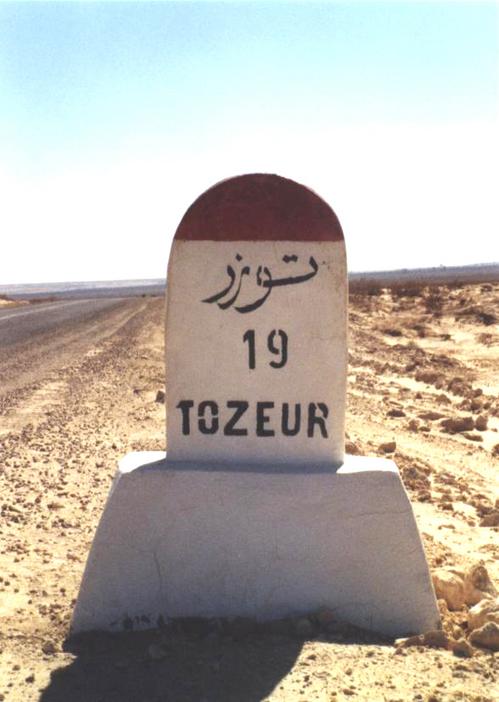
- Tozeur
- Nefta
- Tomerzu
- Sabria
- Douz
- Gafsa
|
|
18
|
- Return to Fort Saint
- Paul Bolang
- L’Orage
- The Foundation
- The Archeological Party
- Lionel Audrey
- Claude Parrain
- Mr. James Williams
- The Foundation
|
|
19
|
|
|
20
|
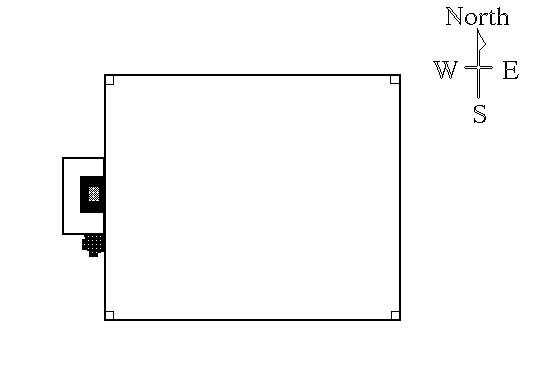
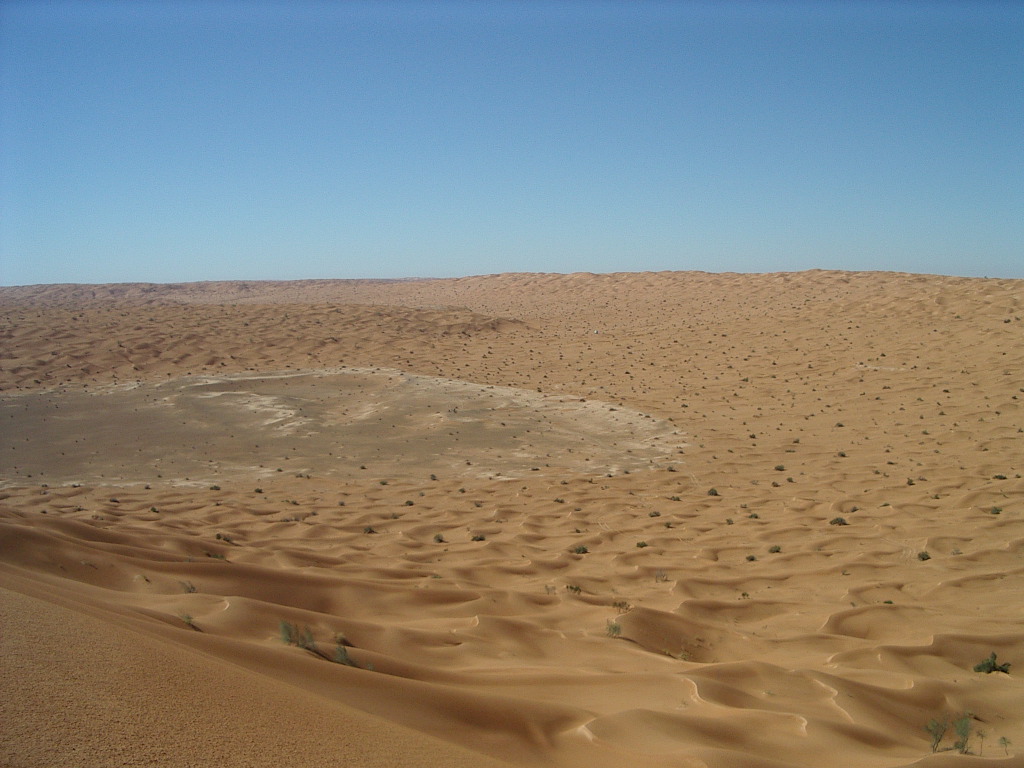
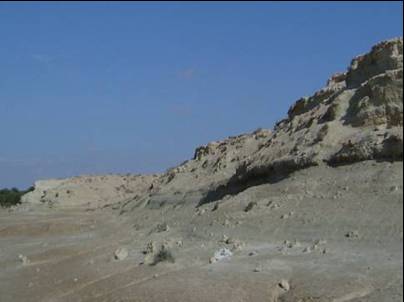
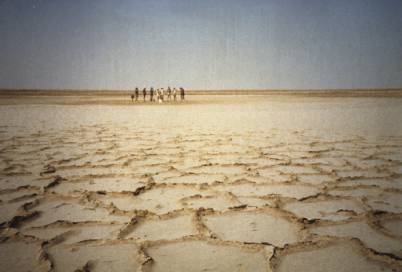
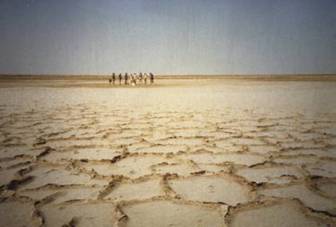
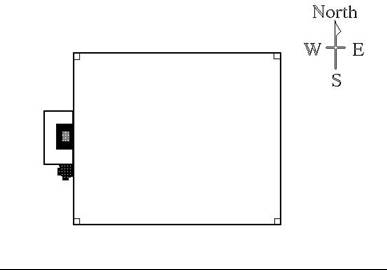
- Around the fort, the windswept ground was textured with holes, scree,
and—sand. The sand lodged wherever it could find a crevasse or
projection to hold it, and piled along anything that was stationary. The
ground directly before Fort Saint was unusually flat, forming a large
rectangular area. From the towers, Paul earlier noted the exactness and
full dimensions of this area, and in his spare time, he measured
it. Paul found the sides,
although the corners were hidden in blown sand. Using his best
approximation, they were nearly the same length. The sides of the area
lay aligned with the compass, the long sides to the north and south, 50
meters in length by 40 meters in width. By the ancient Egyptian scale,
that was approximately 100 by 80 royal cubits. Paul estimated the level
of the area exceeded almost two centimeters over the entire shape. The
perfection of the alignment and level and the measure of the area
excited his archeological interest.
- Before he’d become a soldier, Paul had studied archeology….
|
|
21
|
- Beginning of the dig
- Breakthrough
|
|
22
|
|
|
23
|
- Primary
- Lieutenant Paul Bolang
- ?
- ?
- Secondary
- Lionel Audrey
- Claude Parrain
- James Williams
- Captain Ourain
- Sergeant le Boehm
|
|
24
|
- Paul spent his childhood in many countries and places. The dictates of
his family’s profession left him to spend his early years in the cities
of the colonies of France: Libya, Morocco, Tunisia, Algeria, and British
Palestine. He fought and played in the streets with the children of the
colonial nations. It was only natural that he learned their languages
and culture.
- When Paul was twelve, his family finally returned to Paris. His father
went there to accept the promised position he’d sought as his life-long
ambition, and Paul was forced to learn a new culture and new way of
learning. He longed for his past freedom, but he embraced the formal
education his quick mind desired. In spite of his ready acceptance and
incorporation into his own French heritage, he found himself aggravated
with his peers; he viewed all things without the cultural boundaries
they enshrined. In his mind cultural grays turned into absolute blacks
and whites. He based his decisions on knowledge rather than traditions.
|
|
25
|
- This, instead of separating his new friends from him, seemed to attract
them even more. He achieved a popularity and leadership he accepted but
did not desire.
- Paris provided him much more than this experience of his own French
heritage. Although Paul spent some years in the lands of antiquity, he
had no exposure to the treasures of those places. In the Louvre, for the
first time, he came face to face, with the ancients. The beautiful
articles from the past intrigued and beguiled him. He spent hours
studying them. The mummies and artifacts of Egypt, especially, cast a
spell over him. Though technically too young for the classes, he
attended every lecture presented on this particular subject. There he
learned of the work of Jean Francois Champollion, who first deciphered
the Egyptian hieroglyphics on the Rosetta Stone, and then he knew the
future life had prepared him to seize.
|
|
26
|
- To Paul, it seemed only natural he should enter the Academie des
Sciences of the Institut de France to study Egyptology and Theology.
- His father was a military courtier—a man of stern discipline and
unrelenting decorum. When Paul broached his plans over the family table,
his father stared with incredulity. “I and your grandfather and his
father have all served France as army officers. This service is not good
enough for you?” He didn’t give Paul time for a reply. “I have prepared
a position for you in the Military Academy. You are expected to fill
this position.”
- Paul had not expected his father’s negative response. “Father, I have
spent my life in Paris aspiring to attend the Academie des Sciences. The
study of the ancients is already my life, and it will be my profession—”
|
|
27
|
- “But it is not the profession of the family Bolang. We have honor and
position to uphold. I cannot allow my only son to spit in my face to
fulfill his desires. What of my desires? What of the desires of your
family?”
- Paul looked slowly around the formal table. The crystal, china, and
silver were lifeless and inhuman. The sudden stillness of each of the
members of his family turned them into caricatures as lifeless as these
inanimate objects. His father’s hands were balled into fists. His
unblinking eyes flashed their intense displeasure. His mother looked on
Paul with pity, as though he was throwing away the future generations of
the family Bolang. His sisters sat in stony and unmoving silence. No one
risked the displeasure of their father and no one willfully disobeyed
him.
|
|
28
|
- But to Paul, the decision was easy. “The family Bolang will stand—and
progress and continue—no matter what profession I follow. I’m sorry, but
I cannot comply with your advice or your dictates, Father.”
- Paul stood, bowed, and an amazed silence followed him as he walked out
of the dining room, out of the house, and into a scholarship at the
Academie des Sciences.
- His father’s disappointment became an unassailable barrier between them
for years.
|
|
29
|
- World War I – end of war
- Colonial world
- Tunisia (French colony)
- Egypt (British colony)
- Ancient Egypt
|
|
30
|
- Tunisian
- Arabic
- Berber
- Other indigenous
- French
- English
- Ancient Egyptian
|
|
31
|
- Demilitarization of France
- Militarization of Germany
- Colonial issues of independence
- Prejudice – significantly displaced by the Dervish (broke the British
square)
- Archeology is the rage
|
|
32
|
- Tunisia (Arabic: تونس
Tūnis)
- Tunisian Republic (الجمهورية
التونسية)
- North Africa
- Bordered by Algeria and Libya
- Northernmost African country
- About 40% is Sahara desert
- Much of remainder fertile soil
- 1300 km coastline
|
|
33
|
- Desert, fertile soil, and coastline
- Prominent role in ancient times
- Phoenician city of Carthage
- The Africa Province
- Bread basket of the Roman Empire
- Ranks highly among Middle Eastern and African nations in reports
released by The World Economic Forum
|
|
34
|
- Beginning of recorded history inhabited by Berber tribes
- Coast settled by Phoenicians as early as the 10th century BC
- Carthage founded in the 9th cent BC
- Settlers from Tyre, modern day Lebanon.
- Legend says Dido founded city 814 BC: Greek writer Timaeus of
Tauromenium.
- Brought culture and religion from Phoenicians and other Canaanites.
|
|
35
|
- Carthage became dominant civilization in Western Mediterranean
- Wars with Greek city-states of Sicily
- 5th century BC
- People worshipped pantheon of Middle Eastern gods
- Baal
- Tanit
- Symbol, simple female figure, extended arms, long dress, popular icon
found in ancient sites.
|
|
36
|
- Carthage originally had a Tophet
- Place of infant/child sacrifice
- Altered in Roman times.
- Romans referred to Carthage as Punic or Phoenician
- Independent from other Phoenician settlements in the Western
Mediterranean.
|
|
37
|
- Carthaginian invasion of Italy
- Hannibal
- Second Punic War
- Series of wars with Rome
- Nearly crippled rise of the Roman Empire
- Carthage eventually conquered by Rome
- 2nd century BC
- Turning point-led to ancient Mediterranean civilization influenced
mainly by European instead of African cultures
|
|
38
|
- After Roman conquest
- Granaries of Rome
- Latinized
- Eventually Christianized
- Conquered by Vandals
- Reconquered by Byzantine
- Belisarius
- 6th century during rule of emperor Justinian
|
|
39
|
- Conquered by Arab Muslims
- 7th century
- City of Kairouan
- Successive Muslim dynasties ruled, interrupted by Berber rebellions
- Reign of Aghlabids (9th century)
|
|
40
|
- Zirids (from 972)
- Berber followers of Fatimids, were especially prosperous.
- Zirids angered the Fatimids in Cairo (1050)
- Fatimids sent in the Banu Hilal tribe to ravage Tunisia.
- Coasts held briefly by Normans of Sicily
- Arab reconquest
- Last Christians in Tunisia disappear
|
|
41
|
- Conquered by Almohad caliphs 1159
- Succeeded by Berber Hafsids (c.1230 – 1574)
- Late 16th century became a pirate stronghold Barbary States)
- Spain seized many of the coastal cities
- Recovered by the Ottoman Empire
- Turkish governors (the Beys)
- Attained virtual independence
- Hussein dynasty 1705, lasted until 1957
|
|
42
|
- Government under rule of the Bey
- Mid-1800s
- Severely compromised legitimacy
- Borrowed lots of $ attempt to Westernize
- Failing state facilitated Algerian raids
- Weakened Bey powerless against raids
- Unable to resist European
colonization
- France made plans to take
control
|
|
43
|
- Secret deal between United Kingdom and France
- 1878
- French accepted British control of Cyprus
- British accepted French control of Tunisia
- French took control in 1880
- Made French protectorate, May 12, 1881
|
|
44
|
- Tunisia Campaign
- First major operation by Allied Forces
- (the British Commonwealth and the United States) against the Axis
Powers (Italy and Germany)
- 1942 – 1943
|
|
45
|
- Allies subsequently linked up, April 8
- May 2, 1943 German-Italian Army in Tunisia surrendered
- US, UK, Free French, Polish (other forces) won 1st major
battle as allied army
- Overshadowed by Stalingrad
- Represented 1st major allied victory of WWII
- Forged Alliance would liberate Western Europe
|
|
46
|
|
|
47
|
|
|
48
|
|
|
49
|
|
|
50
|
|
|
51
|
|
|
52
|
|
|
53
|
|
|
54
|
|
|
55
|
|
|
56
|
|
|
57
|
|
|
58
|
|
|
59
|
|
|
60
|
|
|
61
|
|
|
62
|
|
|
63
|
|
|
64
|
|
|
65
|
|
|
66
|
|
|
67
|
|
|
68
|
|
|
69
|
|
|
70
|
|
|
71
|
|
|
72
|
|
|
73
|
- British defeated Egyptian Army at Tel El Kebir, Sept 1882
- Took control
- Placed Tawfiq back in power
- Purpose of the invasion: restore political stability under government
of Khedive with international controls in place to streamline financing
since 1876
- Unlikely British expected a long-term occupation
|
|
74
|
- Lord Cromer, Britain's Chief Representative in Egypt
- Viewed financial reforms as long-term objective
- Political stability needed financial stability
- Embarked on a program of long term investment in Egypt's productive
resources, especially in cotton, the mainstay of country's export
earnings.
- Marked beginning of British military occupation of Egypt until 1936
|
|
75
|
- British influence continued to dominate Egypt's political life
- Fostered fiscal, administrative, and governmental reforms
- Britain retained control of Canal Zone, Sudan and Egypt's external
protection
- Zaghlul elected Prime Minister in 1924
- Demanded Egypt and Sudan merge
|
|
76
|
- 1st Dynasty (2920 – 2770 BC)
- Capital at Memphis founded
- Papyrus invented
- Writing was used by government
- Many impressive artifacts found from this period.
- 2890 - 2686 Wooden coffins and corpses wrapped in resin
|
|
77
|
- 2nd Dynasty(2770 – 2650 BC)
- After much rivalry for the throne Hetepsekhemsy won
- Kings disagreed over which god, Horus and Seth, was in power
- Finally settled when Khasekhemwy became ruler
- He took both titles
- Disorder erupted during end of this dynasty
- Could have been a civil war
|
|
78
|
- 3rd Dynasty (2650-2575 BC)
- 2686 - 2648 Step Pyramid at Saqqara built by King Djoser
|
|
79
|
- 4th Dynasty (2575-2467 BC )
- During this dynasty a great peace
- Kings were able to put their energies in art
- King Khufu's Great Pyramid of Giza built
- People prayed to the sun god Ra
- First religious words written on walls of royal tombs
- 2550 - 2490 Khufu (Cheops), Khephren,
and Menkare build great pyramids
- 2494 - 2487 King Userkaf builds temple for sun god Ra at Abusir
|
|
80
|
- 5th Dynasty (2465-2323 BC)
- For first time high officials came from people outside of the royal
family
- Pyramids begin to be smaller and less solid
- Carvings in the temples of great quality
- Papyrus scrolls from this time discovered
- Showed record keeping of goods
- 2375 - 2345 Pyramid Texts describe Osiris
- 2420 - 2258 Pepi I and Pepi II rule - government weakens
|
|
81
|
- 6th Dynasty (2323-2152 BC)
- Many records of trading expeditions discovered from this period
- 2160 Capitol moves from Memphis to Herakleopolis in northern Middle
Egypt - Upper Egypt controlled by Theban rulers
- 7th & 8th Dynasties (2150 – 2135 BC)
- Political structure of Old Kingdom collapsed
- Famine, civil disorder, and a high death rate
|
|
82
|
- 9th and 10th Dynasties (2135 - 1986)
- Egypt split into the north, ruled from Herakleopolis, and the south,
ruled from Thebes
- 11th Dynasty (2074-1937)
- Prosperous period with much foreign trade. Many large building projects
- Skilled jewelry making
- Government became strong with King Amenemhet I's rule.
|
|
83
|
- 11th Dynasty (2074-1937 BC)
- Egypt reunified under rule of Metuhotep
- Built mortuary complex at Dyr al-Bahri
- 2134 - 2000 Capital moved to Thebes -
- Egypt reunited by Mentuhotep II
- 1985 - 1956 Amenemhat I begins trade with Asia and Aegean
- 1956 - 1911 Letters from farmer to family describing family and
agricultural life
- 1956 - 1911 Senusret I builds temple of Karnak at Thebes
|
|
84
|
- 12th Dynasty (1937-1756 BC)
- Amenemhet moved the capital back to Memphis
- Sesostris II reorganized Egypt into 4 regions (northern and
southern halves of the Nile Valley and eastern and western Delta)
- 1877 - 1870 Senusret II builds Faiyum irrigation scheme
|
|
85
|
- 13th, 14th, 15th, 16th, & 17th Dynasties
(1783-1539 BC)
- Few monuments from this period survived
- Each king reigned only short time
- Some of these kings born commoners
- Eastern Delta region broke away
- 1700 Earliest evidence diagnostic medicine
- 1650 Capital moved to Thebes - building
- 1650 - 1580 Book of the Dead 1st appears
- 1560 War between Thebes & Asiatic ruler
|
|
86
|
- 18th Dynasty (1539-1295)
- Ahmose finally beat Hyksos sent them out of Egypt.
- Dynasty had number of strong rulers.
- Thutmose I conquered parts of Near East and Africa.
- Hatshepsut and Thutmose made Egypt super power
- Amenhotep II began an artistic revolution.
- Akhenaton and Nefertiti began a new religion with one god.
|
|
87
|
- 18th Dynasty (1539-1295 BC)
- Tutankhamen reigned
- 1532 - 1528 Asiatic kings conquer Hyksos
- 1504 - 1492 Thutmose I begins campaigns
- 1380 Building of the Temple of Luxor by Amenhotep III
- 1367 – 1350 Rule of Amenhotep IV (Akhenaton) - changed from polytheism
to monotheistic society
- 1336 - 1327 Reign of Tutankhamon
|
|
88
|
- 19th Dynasty (1295-1186 BC)
- Seti I restored many monuments
- His temple at Abydos has some of the most superior carved wall relief
- Many battles and treaties written between Egypt and Asiatic powers
- 1279 - 1213 Ramses II begins building projects - including his mortuary
temple The Ramesseum (on the West Bank near Luxor)
|
|
89
|
- 20th Dynasty (1186-1069 BC)
- Setakht restored order to country
- Ramesses III one of the greatest kings
- 1186 - 1089 Royal Tombs in Valley of the Kings plundered
- 21st Dynasty (1070-945 BC)
- Egypt no longer a world power
- Civil war/foreign invaders tear Egypt apart
- Capital moved from Tanis to Libyan, to Nubia, to Thebes, to Sais, then
back to Nubia and Thebes
|
|
90
|
- Lionel Audrey
- Claude Parrain
- James Williams
- Captain Ourain
- Sergeant le Boehm
- Sir Barot Cheston - invisible
- We will meet others as we study the details of the history in Aegypt
|
|
91
|
- Sir Barot Cheston
- Department of Egyptology
- Oxford, Great Britain
- 17 August 1926
- Dear Paul,
- I had heard from your family that you were stationed in Tunisia. The way
they spoke, I thought you had been banished from Paris. Glad to find you
well and successful. I thought you had fully forsaken Egyptology for
soldiering. Good to see you haven’t given up our business. I still miss
your speedy translations even if you do them best in French.
|
|
92
|
- This slab or foundation you have found out in the desert sounds
intriguing. I was almost tempted to immediately come myself and see it.
Your letter was so full of excitement, I barely restrained myself. But
the department is not keen on spending money without a great deal of
proof. Carter’s finds in Egypt have only raised expectations and not
budgets. I think I can encourage Oxford to put out some money for an
expedition, but I need a better basis for my arguments. Mummies,
Egyptian Stelae, or artifacts would help the cause immensely.
- Come stay with me when you next get to England.
- Your Friend,
- Sir Barot Cheston, Ph.D.
- Minor charcter in The Goddess of Light
|
|
93
|
- Lionel Audrey was a medium-height man with thinning brown hair. He wore
a heavy wool suit, but he had removed the coat. Perspiration salted his
brow and made his face glisten. Audrey looked young, but his eyes were
surrounded by wrinkles. He squinted out from under his thick glasses as
if the glass wasn’t the right prescription, or as if he sought to
penetrate further than just the surface. In spite of this impression,
Audrey’s attitude was breezy and facile. He didn’t speak; he lectured in
an arrogant Oxford accent.
|
|
94
|
- This—” he pointed to a small, deeply tanned Frenchman in a fresh white
suit and a Panama hat—“is Monsieur Claude Parrain. He is an emissary of
your government representing the Academie des Sciences department of
archeology and antiquities.”
- “Bonjour, Lieutenant Bolang, your reputation precedes you.” He shook
Paul’s hand. “I am directly responsible to the Foreign Bureau in Tunis.
My job is to represent the interests of our government in this
exploration.” He wiped his neck with an already damp handkerchief.
“Whatever may be found belongs to France, and I must see all protocol is
adhered to.”
- Paul knew Parrain as a career bureaucrat. The little man’s smile was
tinged with irony, and he watched Paul with a curious stare, a blend of
pity and apathy. He knew the circumstances at Fort Saint, and his manner
insinuated a level of conspiracy outside of his responsibility. Parrain
was a minor official in cultural affairs; he had no official knowledge
of the Legion’s operations and little of classical archeology. Paul kept
his features bland. Parrain still had some authority over the use of
French property. He was not a man Paul wanted to antagonize
purposelessly.
|
|
95
|
- Before Audrey could introduce him, the third European stepped forward
and engulfed Paul’s hand in his own. His accent was a thick Scottish
brogue, which Paul had trouble deciphering, but he made out, “Aye,
Lieutenant, glad to meet you. Now we can get to work. I’m James
Williams, Engineer on this project.” Williams had a radiant, almost
burnished, scarlet complexion. Later, Paul would discover that the
sunburn was perpetual and never turned into a tan. Williams had worked
in Africa for years—right out of the mines of Scotland, and he could
curse in more tongues than Paul could speak. His confident demeanor
advertised his competence, and to Paul that reduced the coarseness of
his voice and features.
|
|
96
|
|
|
97
|
- Beginning of the dig
- Breakthrough
- Discovery of the corridors
- The basalt plug
- The seal on the basalt plug
- The northern corridor
- The rubbing
|
|
98
|
|
|
99
|
- The rubbing
- The discovery of the northern entrance
|
|
100
|
|
|
101
|
- As Paul’s eyes became accustomed to the dim light, the vivid markings
and colors of the walls became evident. They were bright and appeared
new, as though the pigments were just applied. Paul took a step forward
through the gapping stones that had been pushed into the tunnel. The
intricate designs of the hieroglyphics were cut deeply into the walls,
and this relief was colored in the brightest shades imaginable.
- Paul was unfamiliar with the hieroglyphic symbols. He couldn’t make out
any of the word pictures, but the pantheon of the Egyptian gods of the
early kingdom marched boldly across the inner wall. Ra was followed by
Bastet, Khnum, Thoth, Apis, Sobek, Anubis, and then Osiris. From end to
end, the inner wall was illustrated with temple wards and Egyptian
mythological sequences.
|
|
102
|
- Paul nodded to Parrain who, still dressed in his white coat, was setting
up a large camera and flashpan. Then Paul turned and walked down the
passage to where Audrey was motioning him. “Bolang, look at this.”
Audrey pointed to a huge block of black basalt in the western wall of
the passage.
- “This blocks a set of stone steps that leads straight from the surface
to this corridor. You can see the stair beams along the southern side of
the hole we dug. We were lucky to discover this corridor so easily.
|
|
103
|
- “Bolang, this is the vestibule of a temple complex and a tomb, an
Egyptian construction unknown before this time.” Audrey spun around and
pointed to the hieroglyphics on the opposite wall. “You see, Bolang, a
temple, but sealed like a tomb.”
- Paul put his hand on his chin. Unusual. An amazing discovery if it were
true. The designs were definitely those of an Egyptian temple. “How old
do you think this is, Mr. Audrey?”
- “Perhaps five hundred years older than the Temple of Rameses—maybe
older.”
- “Ancient, but look at the freshness of the colors.”
- “Yes, I was shocked as well, but come look further along here.”
- Audrey led Paul about ten meters further down the corridor. A wall of
sand and rock solidly filled the opening. “It’s the same on the other
side,” said Audrey.
|
|
104
|
- “Sealed,” stated Paul.
- “Sealed completely—and hurriedly.”
- “What do you make of that?”
- “Nothing yet, but it is as unusual to seal a temple as it is to so
hurriedly seal a tomb.” Audrey chuckled, “You’d think they were sealing
something in instead of grave robbers out.”
|
|
105
|
- Finally, Paul had cleared the framed area of the stone. It was a section
nearly two meters by a meter and a half. Within it was carved two facing
women seated on thrones. They were depicted in early kingdom style yet
with many more details than Paul had ever seen in this kind of relief.
But the most intriguing aspect of both was their beauty. Paul never set
his eyes on such beauty. Their eyes were luminous, large and slightly
slanted, but not in the usual Egyptian stylistic representation. The
lips were well defined and sensuous. They revealed the thoughts of the
women as he saw no other Egyptian engraving do before. The cheekbones
were evident and high. The nose was straight but not large. Beauty
radiated out of the time-worn relief, and was itself as disturbing as
the rest of the inscriptions.
|
|
106
|
- Unusually, the women held scepters and wore Imperial crowns. The woman
on the left held the divine scepter and wore a sun-disk crown of Ra the
sun god. Below and to the left of her throne was a depiction of Ra
himself. The woman on the right held the scepter and flail and wore the
crown of Osiris the god of the dead, and to the right and below this
figure was a depiction of Osiris.
- The entire pantheon of the early kingdom was portrayed in the area
beneath the thrones. The figure of Ra was followed by Bastet, Khnum,
Thoth, Apis, Sobek, Anubis, and then Osiris. Strangely, Horus, the
symbol of the Pharaoh’s divinity was not included.
|
|
107
|
- Paul sat back on his heels and studied the inscriptions. He was
intrigued and puzzled by them. Even more confusing was the question of
why this relief had been covered over. The obvious answer was to hide
the black basalt plug because that would have been evident even from
miles away. Yet, the reasoning was faulty: why decorate a seal so
painstakingly you intend to later cover? And, even more pointedly, why
use an entirely different stonework of a much lesser grade to cover the
seal?
- Paul couldn’t answer these questions—yet. But he thought the inscription
might shed some light on the mystery. He took out his green notebook and
copied some of the more dominant patterns of the hieroglyphics. The
picture writing was not exactly what he was used to; it was full of
determinatives, with few separate consonant hieroglyphs.
- It was perhaps a very early form of hieroglyphics more akin to
pictograms than the abstractions of later Egyptian writing. Audrey could
perhaps shed some light on their meanings.
|
|
108
|
- Audrey stepped toward the dig with a gesture, and Paul found he couldn’t
keep himself from following. They made their way down the ladder into
the close darkness of the ancient corridors. Like before, Paul was
filled with awe and apprehension, and he had to force himself to move
after the descending figure of the archeologist. As their eyes became
accustomed to the darkness, their steps became surer under the
flickering light of the torches. They turned to the north along the main
corridor that fronted the archeologist’s breach. At the end, the sand
had been cleared and a corridor ran to the east at the corner. They
turned right, and before long, they reached the far portion of the work
that was already complete.
|
|
109
|
- Audrey took a torch from one of the native workmen and held it close to
the inner wall. On it Paul could easily discern a temple building of
grandeur. The sun rose behind it and on its eastern side stood an
entrance. A peculiarity of the inscription was the figure in the
picture. It was a woman rising with the sun, and the temple was divided
one side light and one side dark.
- “Where is Ra?” intoned Paul under his breath.
- “Good question,” Audrey answered him, “It looks like a tribute to one of
your new deities. Take a look at the corners of the building.”
- Paul looked carefully at the hieroglyphics Audrey pointed to. The
symbols for plain, lake, plain, lake were evident at the four sides of
the temple.
|
|
110
|
- “It looks like an ancient depiction of the terrain at the sides of the
foundation.”
- Audrey smiled. “It does indeed.”
- “You believe it’s the same temple that once sat above us on the
foundation?”
- “I am convinced of it.”
- “Where’s the temple, Mr. Audrey?”
- “That’s a very good question, Lieutenant Bolang. It seems to me that
someone went to a great deal of effort to cart the thing away.”
- “They took it down completely and concealed the only portion that was
visible at a distance—the basalt plug.”
|
|
111
|
- Overview of the Novel
- Not finished…
- Give you a chance to catch up
- Met the major characters
|
|
112
|
- Paganism and the Egyptian pantheon
|

 Notes
Notes